BANNED, BELOVED, AND UNCONQUERED: 150 YEARS OF VANDE MATARAM
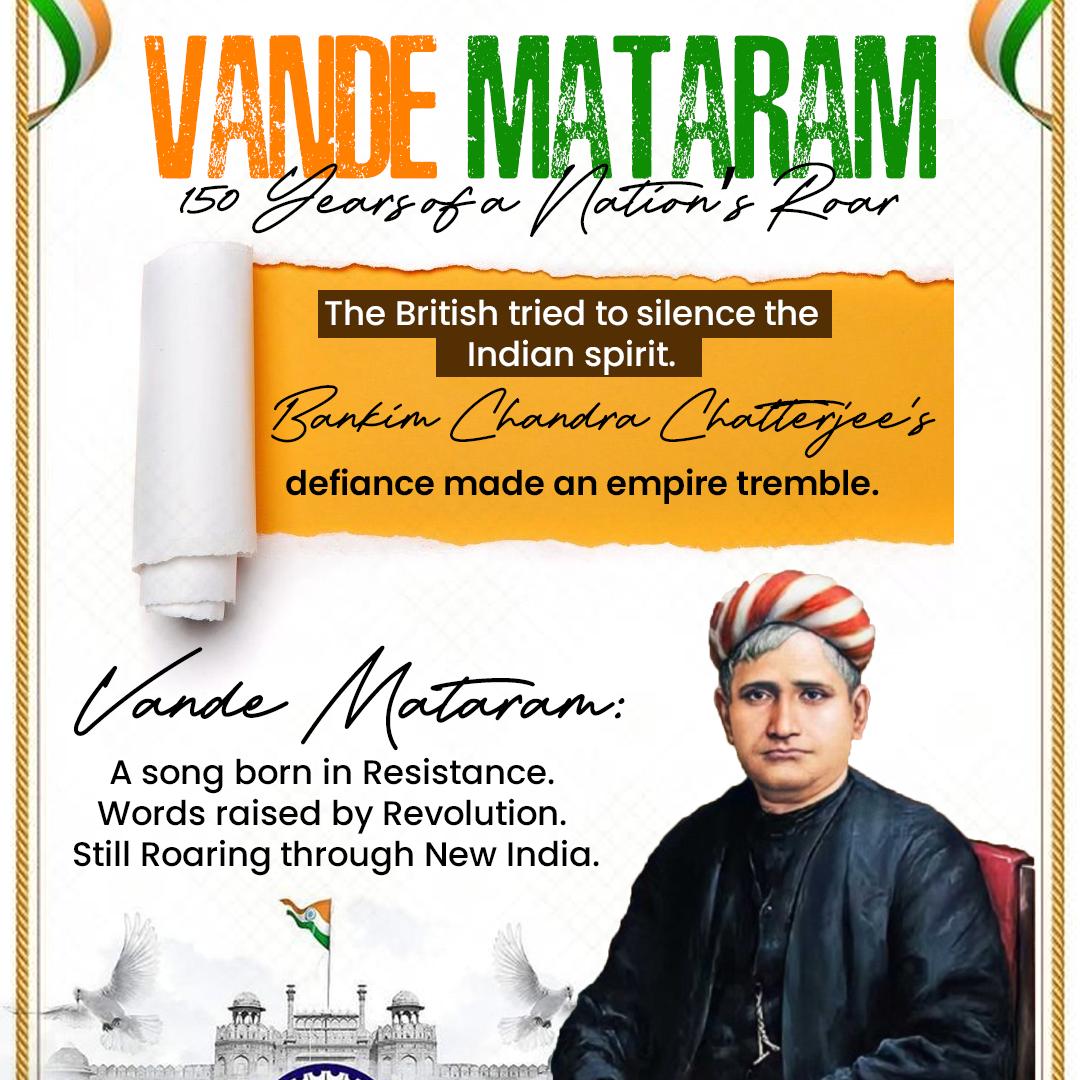
Bankim Chandra Chatterjee, the quiet civil servant whose pen gave birth to
Vande Mataram, the hymn that became the soul of India’s freedom struggle. In
1875, when the Indian subcontinent lay silent under the weight of colonial rule, a quiet civil servant,
Bankim Chandra Chatterjee, sat down to write — not a political manifesto, but a hymn. A private act of devotion that would, unknowingly, ignite the soul of a nation.
Vande Mataram was not merely a song. It transformed an impoverished, subjugated land into
Bharatmata — the divine, bountiful mother goddess. What began as the contemplative verse of a poet soon became the
heartbeat of Indian nationalism.
The Spark: A Hymn Hidden in a Novel
The revolutionary novel Anand Math (1882) where Vande Mataram first appeared, inspiring freedom fighters across India. The hymn first appeared in
Anand Math (1882), becoming the
secret mantra of ascetic revolutionaries who saw their land as a deity —
Bharatmata, worthy of devotion and sacrifice.
The Fire: A Cry in the Streets
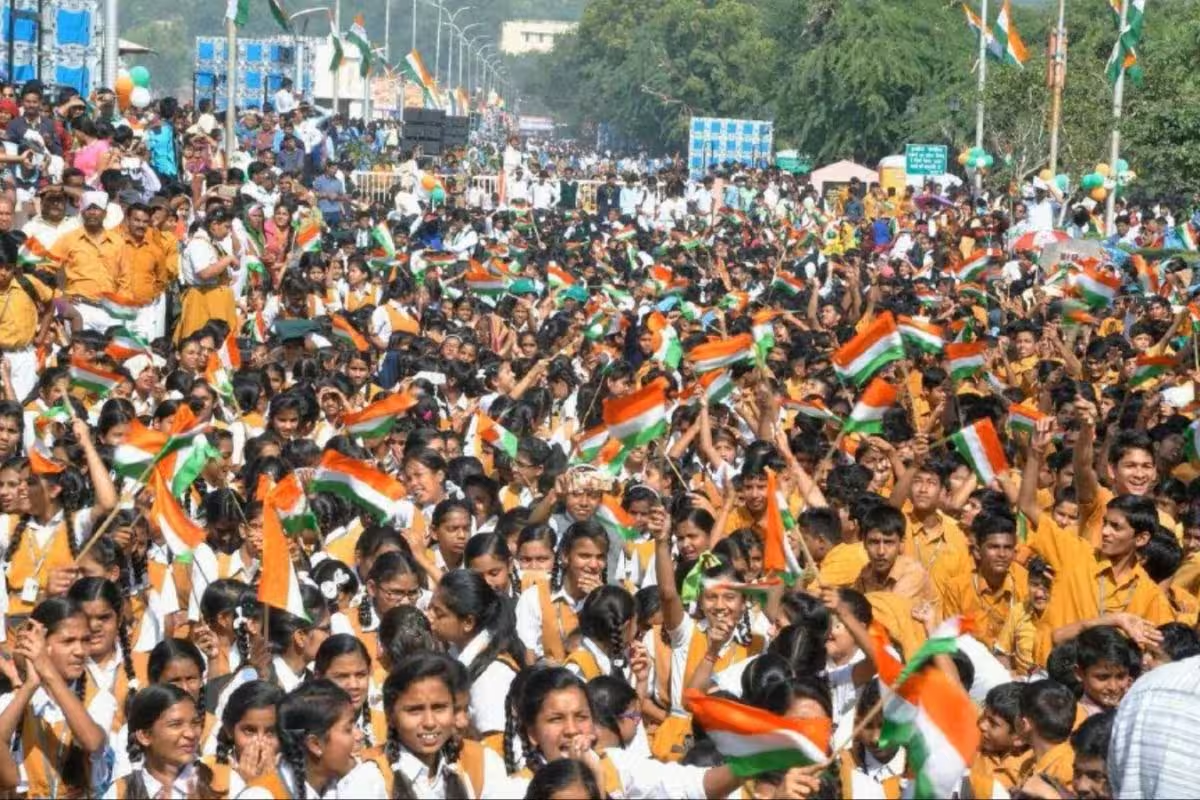
From peaceful protests to revolutionary rallies, chanting Vande Mataram became a powerful act of resistance during colonial India. The song erupted into the public sphere during the
Partition of Bengal (1905). Suddenly,
Vande Mataram was no longer just literature — it was a
call to defy the Empire. The British saw the chant as seditious. Peaceful rallies turned into confrontations. Ordinary citizens were beaten, arrested, or punished simply for uttering the words
“Vande Mataram.” Yet, the repression only strengthened the song’s symbolic power.
The Immortal Slogan of Freedom
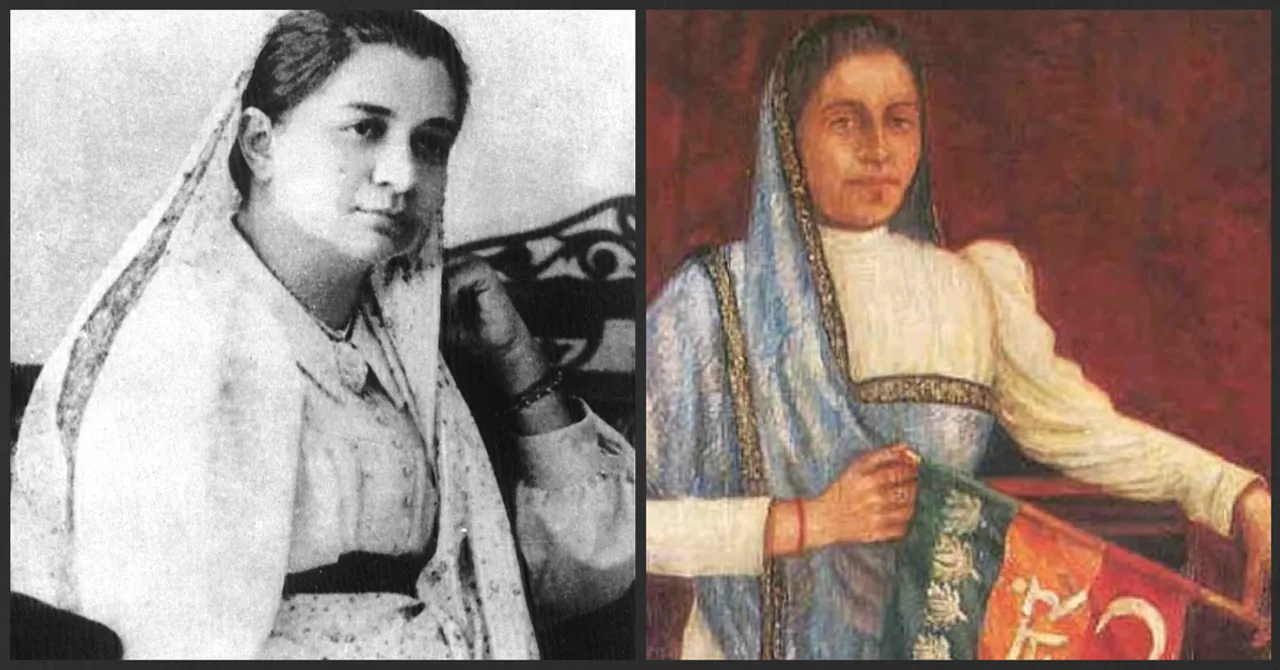
Madam Bhikaji Cama unfurled the first Indian national flag in 1907, inscribing Vande Mataram as the anthem of freedom.
Vande Mataram became the final whisper of martyrs at the gallows. It travelled across oceans — appearing on the first Indian national flag unfurled by
Madam Bhikaji Cama in 1907. The British banned the song. Students were fined for speaking it. Freedom fighters were jailed for singing it. Thus, what the Raj feared most became the
unconquered voice of India.
Why Vande Mataram Still Matters
The hymn’s journey is a testament to how a simple song evolved into a weapon of unity and resistance, turning the emotional image of the motherland into a force capable of awakening an entire nation.
2025: A Moment of National Reflection

This year marks 150 years since Bankim Chandra Chatterjee wrote the words that became the soul of India’s freedom struggle. In 1950, independent India’s founders bestowed on Vande Mataram equal status with the national anthem “Jana Gana Mana,” acknowledging its undeniable role in shaping the freedom movement. The song stands today as a fusion of Bhakti and Deshbhakti — spiritual devotion intertwined with patriotic sacrifice.
A Timeless Bow to the Motherland
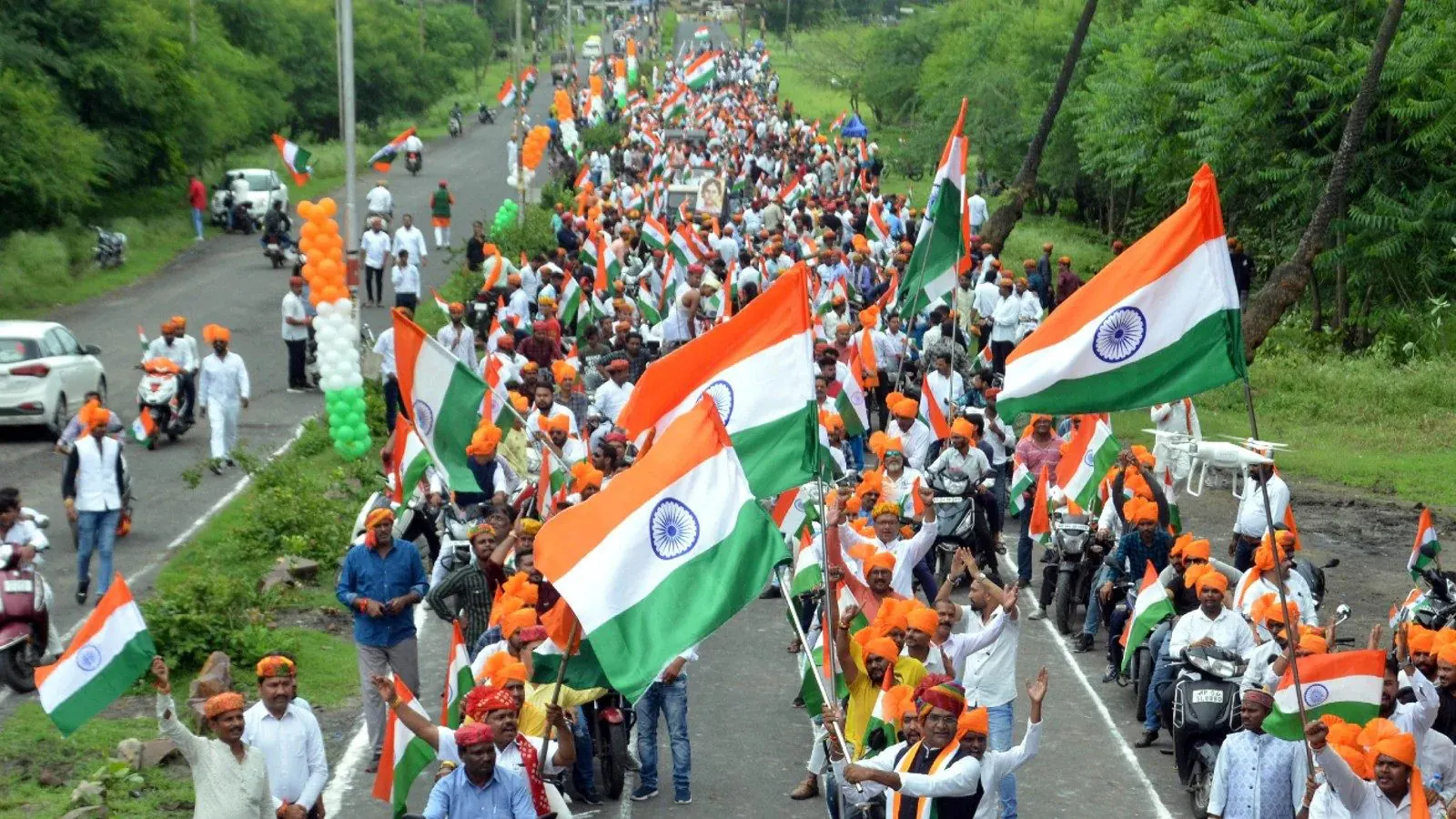
150 years later, Vande Mataram continues to inspire unity, devotion, and patriotism across India. As we commemorate this milestone, Vande Mataram continues to remind us that India’s journey is rooted in cultural confidence, resilience, and unity. It is an eternal bow to the Motherland — a chant that echoes from the struggle-filled streets of the past to the proud corridors of modern India.
Share This Story
"150 years of courage, devotion, and unity. From the pages of Anand Math to the heart of India, Vande Mataram remains the timeless hymn of freedom". 🇮🇳 #VandeMataram150 #IndianFreedom #Bharatmata
About the Author
Adv. Mamta Singh Shukla is an Advocate at the Supreme Court of India and Founder of Vijay Foundations — an initiative dedicated to social justice, education, and empowerment. Through her writings, she advocates for human dignity, equality, and systemic change.
🌿 Thank You for Reading!
Your support inspires us to keep sharing meaningful stories on law, society, and empowerment.
Follow Vijay Foundations for more legal insights, awareness campaigns, and updates.


Comments
Post a Comment